The Ultimate Guide to Supportive Housing for Mental Health: What It Is, How It Works, and Why Holistic Healing Changes Everything
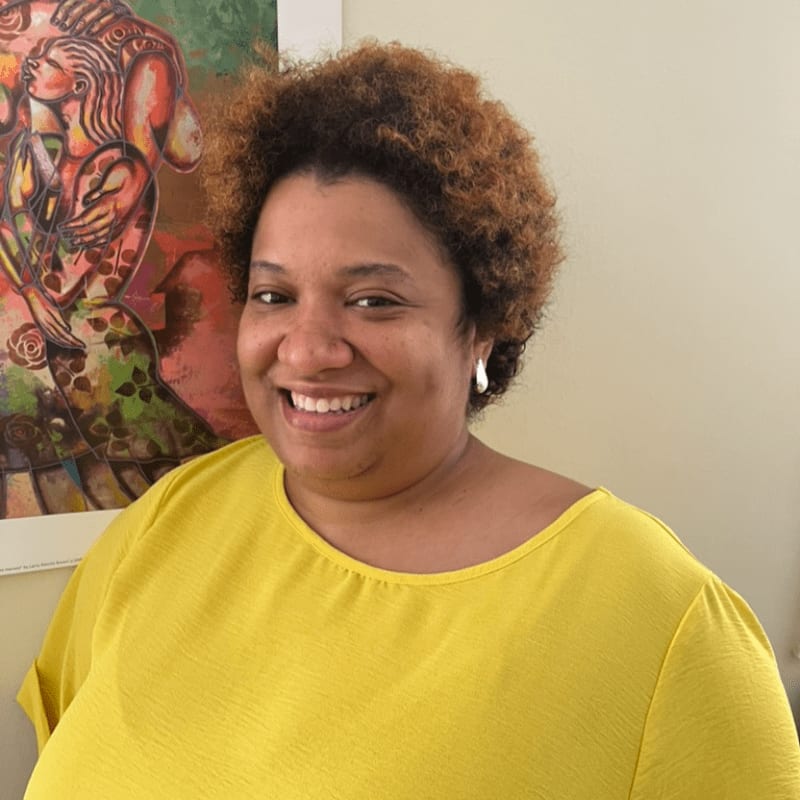
When my late daughter was diagnosed with mental health conditions, I thought treatment and determination would be enough for her to live independently. I learned fast that mental health conditions do not follow a neat script, and our healthcare system is poorly built for that truth. Her struggle became my lived experience, and that experience pushed me into advocacy for mental health parity. My daughter and I fought to secure her housing and care, but far too many others had nowhere to go. She would call me and ask me to speak with fellow patients desperate for a safe place after discharge. I could not help them. I knew most were staring down years-long waits for permanent housing. That is where the seeds of Holistic Homes were planted.
Breaking the Cycle: What Is Supportive Housing for Mental Health?
For decades, society has treated housing and healthcare as two entirely separate silos. Adults living with mental health conditions are routinely cycled through hospitals, crisis stabilization units, and temporary shelters without ever achieving true stability. Supportive housing changes this equation completely by combining affordable, permanent housing with flexible, community-based supportive services.
Unlike traditional housing programs that impose rigid, punitive rules or demand immediate sobriety and compliance before offering shelter, supportive housing embraces the Housing First model. It recognizes a fundamental truth: healing cannot begin when a person is sleeping on a park bench or worrying about where they will sleep tonight. Safe, stable housing is not a reward earned at the end of successful recovery; it is the absolute foundation upon which all recovery is built.
At Holistic Homes, we look at supportive housing programs not just as a roof over someone’s head, but as an incubator for human dignity and lifelong wellness.

How Supportive Housing Works: Navigating Funding and Structural Models
Building and maintaining effective mental health housing requires dismantling bureaucratic roadblocks and constructing innovative funding architectures. Traditional real estate financing alone cannot sustain programs that serve individuals with complex behavioral health needs. Instead, sustainable supportive housing relies on braided funding models.
Braiding funding means weaving together multiple distinct revenue streams to cover different components of care. Capital and construction costs are often financed through programs like Low-Income Housing Tax Credits (LIHTC) and state housing finance agency grants. Operating subsidies and rent assistance ensure that residents pay an affordable percentage of their income: typically thirty percent: while keeping the facility financially viable.
Crucially, the supportive services component is funded through a combination of Medicaid billing, federal behavioral health grants such as the SAMHSA Mental Health Block Grant, and state or county behavioral health funds. By leveraging Medicaid-reimbursable mental health rehabilitative services and tenancy-support benefits, organizations can maintain ongoing, professional care coordination without relying solely on precarious year-to-year donations. For readers who want a deeper look at how these partnerships and funding streams can be structured, the Homeless and Housing Resource Center’s Guide to Funding Supportive Services in Housing offers practical federal funding guidance that aligns with the kind of braided model supportive housing providers must build to stay sustainable.
Why Conventional Treatment Falls Short: The Embrace of Holistic Healing Therapies
Traditional outpatient treatment models often stop at prescription management and clinical talk therapy. While medications and counseling save lives, they frequently fail to address the whole person. Chronic stress, trauma stored in the body, and spiritual isolation cannot be resolved with a pill bottle alone.
This is why holistic healing therapies must be integrated directly into supportive housing programs. True recovery requires nurturing the mind, body, and spirit simultaneously. When we incorporate practices like art and music therapy, nutrition counseling, yoga, meditation, and somatic bodywork into daily supportive housing routines, we unlock profound avenues for healing that conventional psychiatry often overlooks.
Art and music therapy offer non-verbal outlets for processing complex trauma that words cannot capture. Nutrition counseling restores physical vitality to bodies battered by poverty, stress, and poor dietary access. Mindfulness and meditation regulate the nervous system, empowering residents to manage anxiety and emotional dysregulation before crisis strikes. By treating mental wellness as a holistic, embodied experience, we transform outpatient care from a sterile clinical chore into a vibrant, life-affirming journey.
Rooted in Community: Our Work in Prince George’s County and Riverdale, Maryland
Systemic change does not happen in a vacuum; it takes deep roots in local communities. At Holistic Homes, our current initiatives are heavily anchored in Prince George’s County, where the need for progressive mental health housing is both urgent and undeniable.
We are currently spearheading a vital capital campaign aimed at providing permanent supportive housing and comprehensive holistic care to 16 men and women in Riverdale, Maryland. This initiative is designed to position us perfectly for our portion of the 2027 Maryland Housing Trust Fund grant, which will bring our vision of permanent, scalable mental health housing to life.
Our commitment to local advocacy extends far beyond real estate development. Through active collaborations with organizations like NAMI Prince George’s County: including our participation in World Mental Health Day events: we strive to shatter the lingering stigma surrounding mental illness. We educate local leaders, empower affected families, and demand that municipal budgets reflect the reality that mental health parity is a human right.
Innovation in Recovery: Peer Support and Digital Wellness Pilots
As we scale our supportive housing programs, innovation remains at the core of our strategy. Mental health recovery is fundamentally relational. When individuals who have walked the dark road of psychiatric disability meet others with shared lived experiences, an extraordinary shift occurs. Isolation dissolves into solidarity.
To amplify this peer-to-peer connection, we are constantly exploring innovative digital and community tools, including wellness app pilots and peer-support frameworks. These technological and human-centered tools help residents track their wellness goals, connect with peer mentors instantly, and access grounding exercises whenever anxiety or distress arises. By blending compassionate physical spaces with smart, accessible digital tools, we ensure that our residents are never truly alone in their journey.
Join the Movement for Mental Health Parity
One out of five Americans is affected by mental illness through no fault of their own. That means four out of five of us belong to the community called upon to stand beside them, fund their dignity, and dismantle the broken systems that cast them aside.
The path from a personal family tragedy to systemic advocacy is long, but it is a journey we can walk together. Whether you are a family member navigating the healthcare maze, a donor passionate about Black philanthropy and mental health equity, or a community member ready to advocate for supportive housing in your neighborhood, your voice matters.
Visit our resources page to learn more about our upcoming projects, or make a small recurring donation to support our capital campaign in Riverdale, Maryland. Together, we can prove that housing stability combined with holistic healing is not an idealistic dream—it is the essential standard for mental health recovery.